

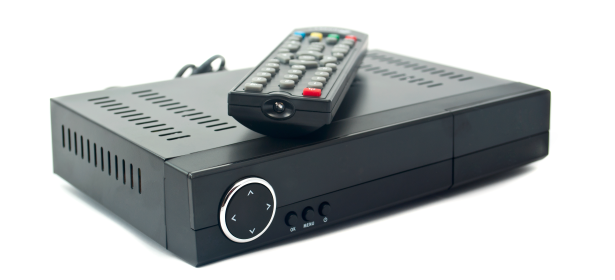
The purpose of this article is to help you choose the best digital TV recorder by looking at PVRs, DVD recorders, and smart TV PVRs. How do you explain IPTV?
Even though videocassette recorders aren’t used anymore, people are still looking for new ways to record their favorite shows. There are now many ways to record TV shows, and none of them require you to keep videotapes somewhere safe. This guide is meant to help you understand your choices and pick the device that best fits your needs.
Records videos on your own (PVRs)
PVRs are the basic devices that let you record TV channels to a hard drive that is built in. A short summary of everything you need to know is given below:
- PVRs can record more than one show at the same time, and some even let you do this while watching another channel at the same time.
- All PVRs can save movies and TV shows in Full HD.
- They come with an Electronic Program Guide (EPG) that makes it easier to choose which shows to watch or record.
- comes with a built-in hard drive that can hold anywhere from 500GB to 1TB (1,000GB).
- The amount of HD footage or SD content that a 500GB hard drive can hold is about 125 hours or 250 hours.
- Some models can connect to the internet, which lets you use apps like iPlayer for catch-up and streaming.
It’s important to know that not every PVR is the same. Choose one that has a nice look, great sound quality, and easy operating controls. What is EPG?
DVD players
A DVD recorder works by saving TV shows to a DVD disc that can be erased and rewritten. On the other hand, DVDs can only hold one to four hours of content on average. If you want to use it as your main recording device for TV shows, getting one with a built-in hard drive is the best choice.
These devices used to be very popular, but they have become much harder to find over the last ten years or so.
Benefits:
- Allows TV shows to be saved for a long time.
- Makes it easier for family and friends to share recordings.
Bad things about it:
- You can only record one show at a time.
- High-definition TV shows can’t be recorded on most DVD players.
- Most of the time, they are harder to use than PVRs.
- Only lets you record Freeview channels.
- Recently, the prevalence has gone down.
PVR or DVD recorder
A PVR/DVD recorder combines the large hard disk storage space of a PVR (usually 250 hours or 125 hours in high definition) with the ability to burn personal recordings to DVD for long-term storage or sharing with others. This is the best of both worlds, but they are getting harder to find on the market, just like DVD recorders.
Advantages:
- Large amount of space on the internal hard drive.
- Being able to save recordings on DVD.
Negatives:
- Usually only able to record one show at a time.
- This PVR is harder to use than standalone PVRs.
- Not often seen in stores.
Most of the time, these devices are harder to use than standalone PVRs. So, if you need both a PVR and a DVD recorder, it’s best to buy them separately unless you don’t have enough room for a unit that does both.
How to make your TV a PVR
There is no need to buy a separate PVR for some high-tech smart TVs because they already have PVR functionality built in. You’ll need a USB hard drive or memory stick to use this feature. You can connect it to one of the TV’s USB ports.
However, you can only record local broadcasts that are picked up by the TV’s built-in Freeview or Freesat. This means it can’t record shows or movies from outside sources like an Amazon Fire TV Stick or a Sky set-top box.
In addition, the TV’s recording abilities depend on how many tuners it has built in. One tuner only lets you record the show you’re watching at the moment, while two tuners let you watch and record different shows at the same time. One benefit of this setup is that the hard drive size is not limited like it is with standalone PVRs. Users are free to connect any size drive they want, and these drives are often cheaper as well.
Regarding this article, we’d like to hear your thoughts and comments. Please let us know what you think in the section below for comments. This will help us make our content better. Thank you ahead of time for your contribution.
 IPTVSKYPRO